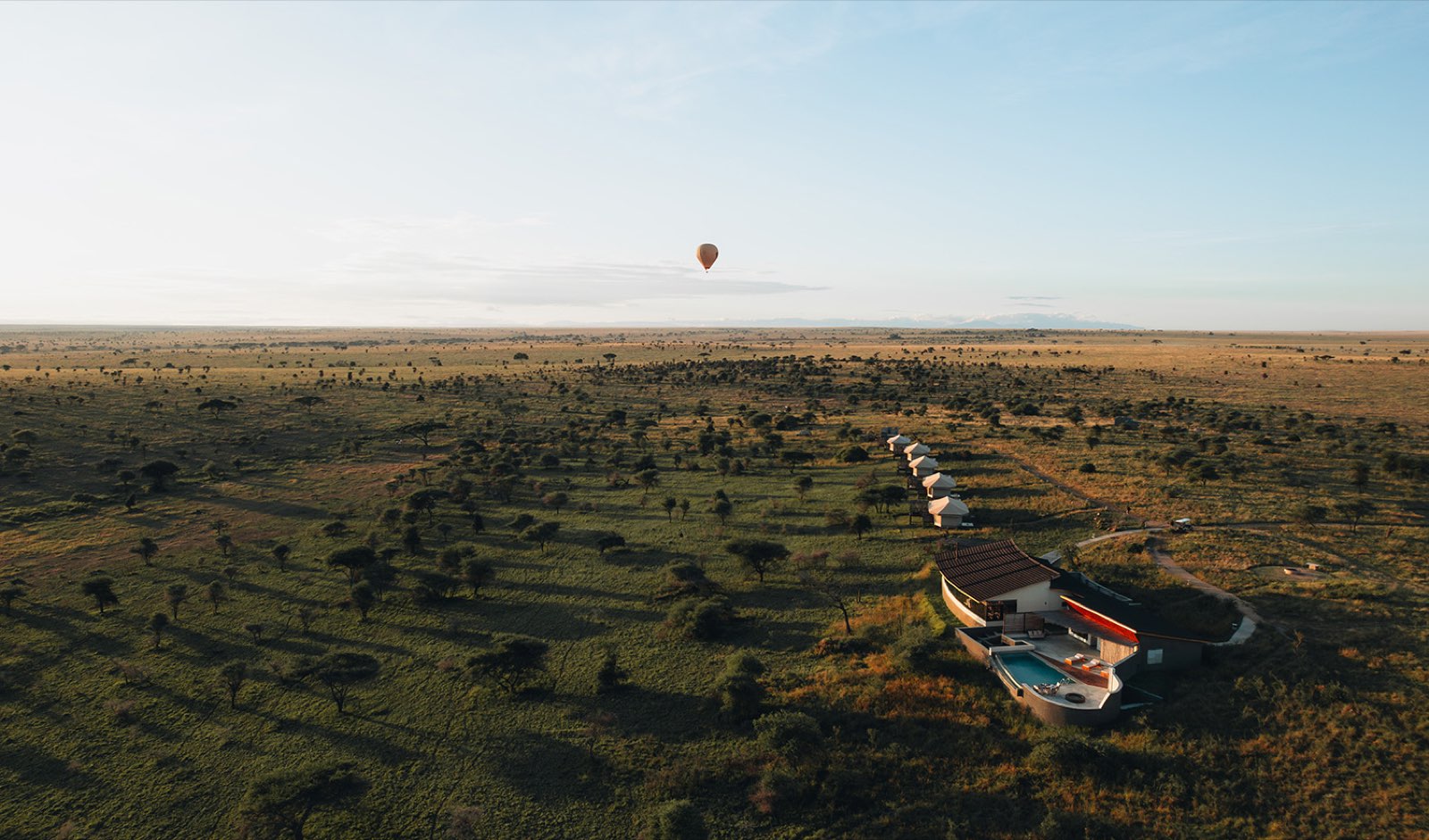
Ask ten safari-goers when to visit the Serengeti and you'll get ten confident, contradictory answers. The honest one is this: there is no bad month — there are only different Serengetis. The ecosystem runs on a circular calendar, and what you see depends on where you stand within it. Here is the year as we see it from our deck at Seronera, in the very centre of the park.
The two seasons that shape everything
The Serengeti year divides into the Green Season (November–May) and the dry season (June–October). Green Season brings short afternoon rains, emerald plains, newborn animals, dramatic skies and fewer vehicles; the dry months bring golden grass, concentrated wildlife around water, and the river crossings the documentaries are made of.
Month by month
January – March · Calving season in the south
Around half a million wildebeest calves are born on the short-grass plains of the southern Serengeti and Ndutu in a matter of weeks — most in February. The predator action that follows is the most intense of the year. From Seronera, the southern plains are an easy game-drive.
April – June · The herds move through the centre
As the long rains taper, the migration masses and pushes north-west — directly through the central Serengeti roughly mid-April to June. This is Seronera's front-row moment: columns of wildebeest and zebra stretching to the horizon, often with the plains nearly to ourselves. It's also the best-value season of the year.
July – October · Crossings in the north, cats in the centre
The herds reach the Grumeti and then the Mara River in the north, where the famous crossings unfold. Central Serengeti stays exceptional: Seronera's resident wildlife — lion, leopard, cheetah, elephant, giraffe — doesn't migrate. The Seronera Valley's year-round rivers make it arguably the most reliable big-cat territory in Africa, whatever the month.
November – December · The return
The short rains pull the herds south again — back through the centre and east, roughly November to December. The plains turn green overnight, migratory birds arrive in their thousands, and the cycle resets.
So… when should you come?
- For the calving spectacle: late January to early March.
- For the migration without the crowds: mid-April to June, through the centre.
- For river crossings: July to October (plan northern day-trips; base centrally).
- For birding, photography and value: November to March — green light, dramatic skies.
- For guaranteed big cats: any month. That's the point of Seronera.
A word on the weather
Days are warm year-round (mid-20s °C); nights can be genuinely cool. The "rainy" months rarely mean all-day rain — expect short, theatrical afternoon storms that clear to the best light of the year. Pack layers, a hat, and twice the camera storage you think you need.
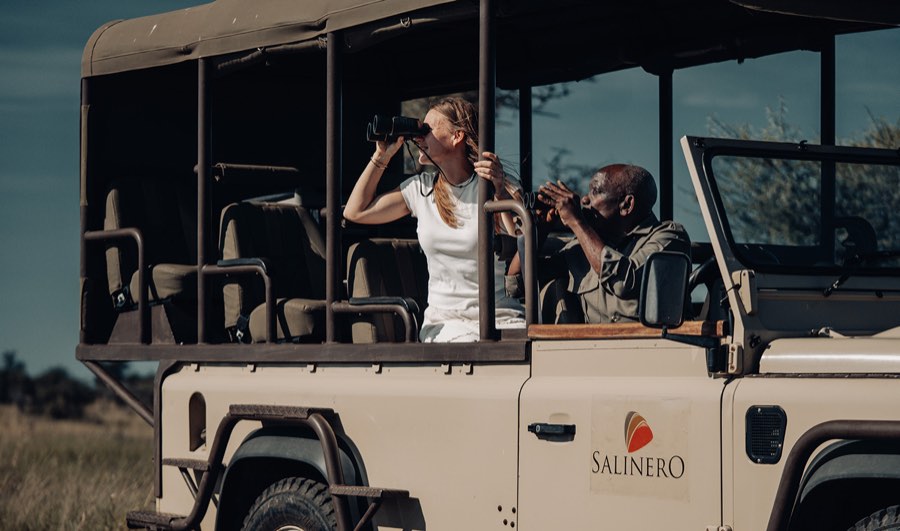
Whenever you decide to come, our team will build the days around what the ecosystem is doing that very week — game drives at first light, bush breakfasts on the plains, and a balloon over it all if you're willing to wake early enough.
Rated 5.0/5 on Tripadvisor · #1 in Ikoma