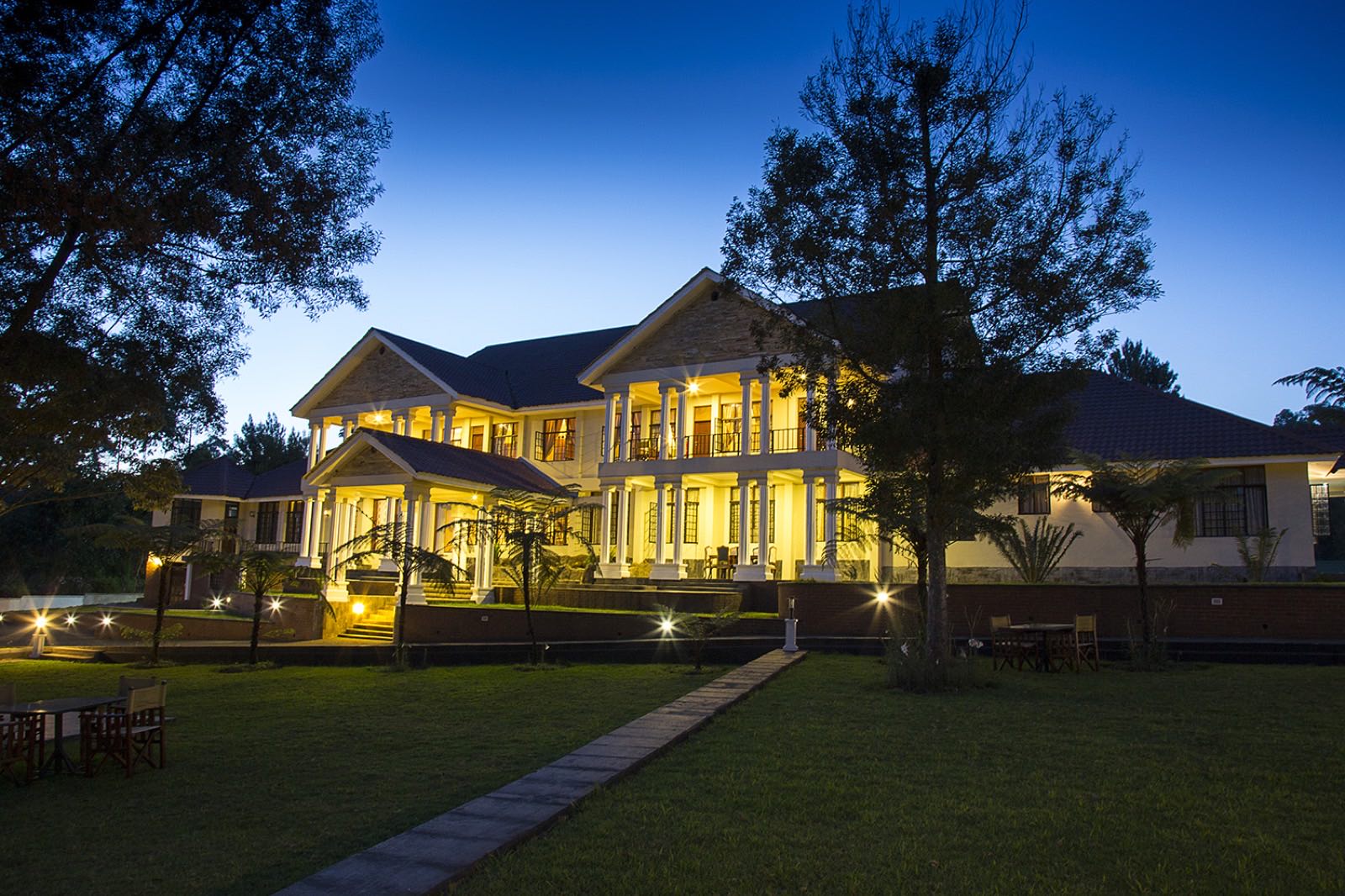
Every morning in climbing season, we watch it happen from our garden: trekkers arriving at the Machame Gate — one hundred metres from our front door — adjusting pack straps, signing the register, and taking their first steps into the rainforest. Roughly two thousand metres above them, hidden in cloud, waits the roof of Africa. Here's what those next six or seven days actually look like.
Why "the Whiskey Route"?
The nickname is old trekking humour: Marangu — the only route with hut accommodation — was "the Coca-Cola route", so the harder, wilder, camping alternative became the whiskey. The joke undersells it. Machame is demanding, yes, but its difficulty is precisely why it works: the route's profile forces the golden rule of altitude — climb high, sleep low — on every climber, which is a big part of why its summit success rates are among the best on the mountain, typically far higher than the "easy" route's.
The route, day by day
Day 1 · Machame Gate (1,800 m) → Machame Camp (~3,000 m)
Five to seven hours climbing through montane rainforest — colobus monkeys, giant tree ferns, and mud that has humbled many boots. It rains here; that's what keeps it beautiful.
Day 2 · Machame Camp → Shira Camp (~3,840 m)
Out of the forest into heather and moorland, cresting onto the Shira Plateau — the collapsed caldera of Kilimanjaro's oldest volcanic cone, with your first full view of Kibo.
Day 3 · Shira → Lava Tower (4,630 m) → Barranco Camp (~3,960 m)
The textbook acclimatisation day: up to the Lava Tower for lunch at altitude, then down to sleep at Barranco beneath a wall of giant groundsels. You'll feel the 4,600 m. That's the point.
Day 4 · The Barranco Wall → Karanga Camp (~3,995 m)
The Wall looks alarming and climbs like a staircase — hands out of pockets for ninety minutes, including the famous "kissing rock". The reward is the most scenic traverse on the mountain.
Day 5 · Karanga → Barafu Camp (~4,673 m)
A short day to base camp. Eat, hydrate, and sleep at sunset — you'll be woken before midnight.
Day 6 · Summit night · Uhuru Peak (5,895 m) → descent
Six to eight hours in the dark to Stella Point on the crater rim, then the final hour along the rim to Uhuru Peak for sunrise over Africa. Then down — a long, knee-testing descent to Mweka camp. (Many itineraries add a seventh day, splitting the descent.)
The night before matters more than you think
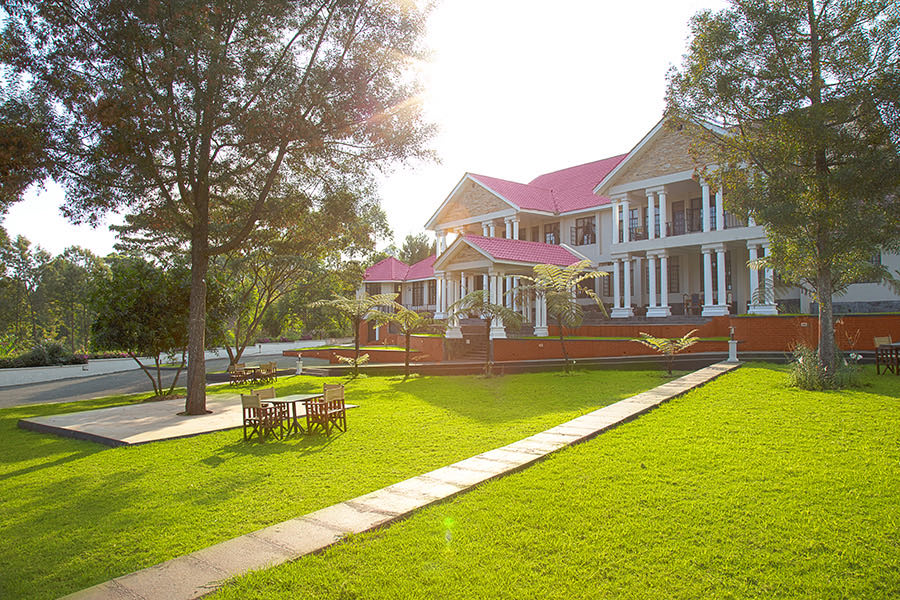
Most climbers sleep in Moshi town (~900 m) and drive up on the morning of day one. There's a better way, and it's the reason our lodge exists where it does: sleeping at 1,800 m — the altitude of the gate itself — starts your acclimatisation a full night early, removes the morning transfer scramble, and lets you walk to the gate rested. After the climb, the same 100 metres is the distance between the trailhead and a bathtub, a massage, and a cold drink among the tree ferns.
Is Machame right for you?
- Choose Machame for scenery, acclimatisation profile and summit odds — if you're comfortable camping and reasonably fit.
- Consider Lemosho for the same profile with quieter early days (it joins Machame at Shira).
- Marangu suits those who need hut accommodation — but its direct up-down profile is exactly why its success rates lag.
However you climb, the mountain sets the terms. Sleep low, walk slowly — pole pole, as your guides will chant — drink more than you want to, and let the days do their work. We'll keep the garden, the spa and the celebratory table ready for your return.
Salinero Millie Lodge · 1,800 m · 100 m from the Machame Gate · See the lodge →